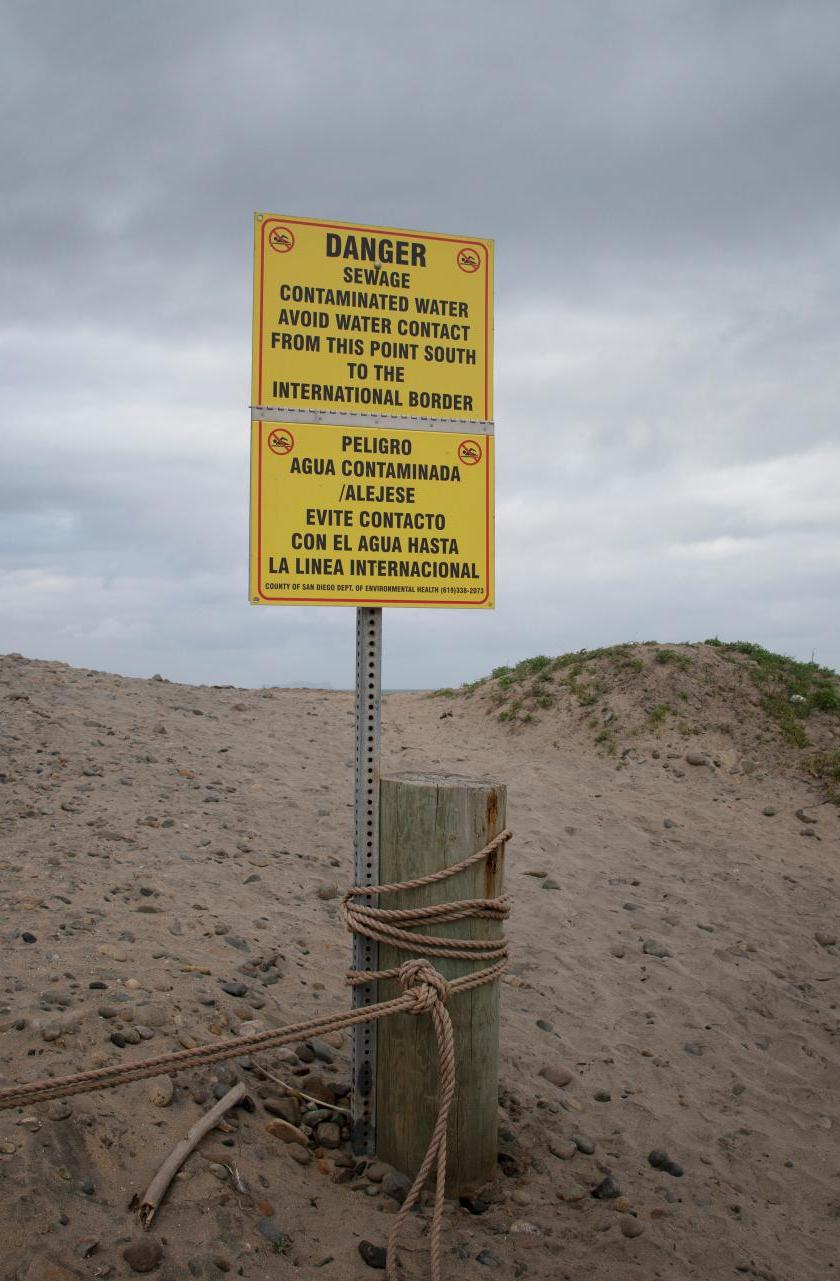
Toxic waste from the Tijuana River has created a public health,
economic, and environmental nightmare for cities in San Diego
County. The ongoing crisis is a classic example of a local issue
that requires a bipartisan regional, state, and federal response.
There is no magic bullet for disengagement and polarization. But
there are ways to tackle these issues that don’t require dramatic
new investments. Petaluma used one such method to resolve a
decades-old conflict over an iconic property.
Western City has several guiding values, chief among
them collaboration. Unless we are talking about award programs.
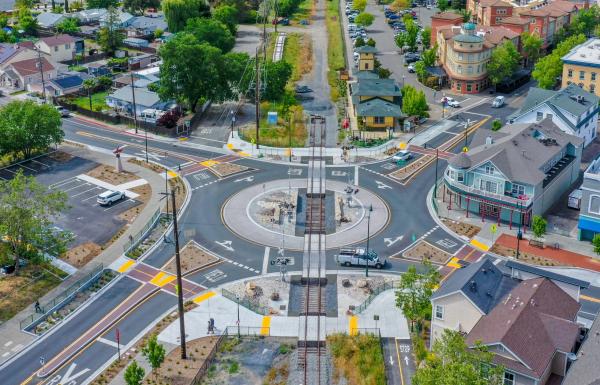
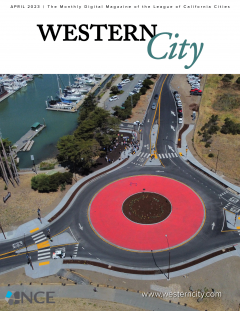
After two years of county domination, cities have reclaimed their
rightful place at the top of the Outstanding Local Streets and
Roads Project Awards.
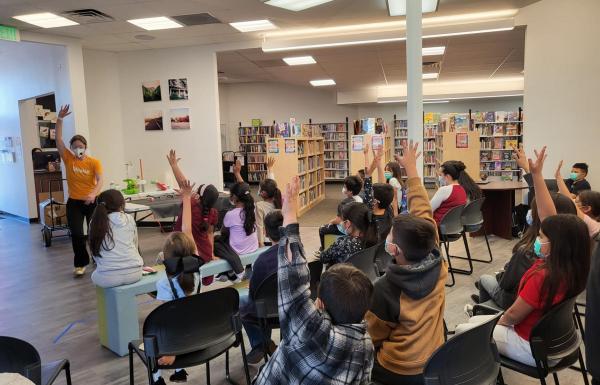
“When we share stories about the opportunities or challenges in
our cities, we are generating trust, inspiring people to get
involved, and driving progress,” writes Cal Cities President
Daniel Parra.
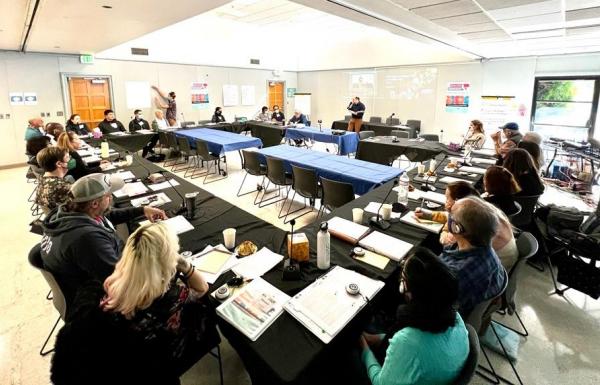
Climate action planning and data are more important than ever.
Funding programs are increasingly prioritizing projects that
empower and benefit vulnerable populations. Some cities have
found it beneficial to incorporate multiple layers of data into
their systems.
A rapidly changing climate and new state laws are complicating
local infrastructure challenges. Yet, the same wisdom still holds
true. Success is in the details, and public works are the
foundation of a cleaner, sustainable future.